
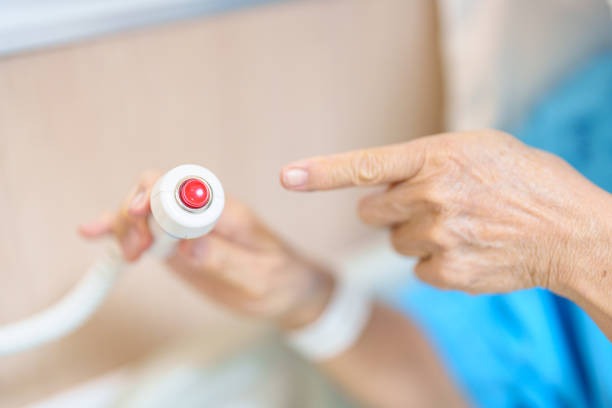
Nurse call systems are essential components in healthcare facilities, ensuring efficient communication between patients and medical staff. These systems play a vital role in enhancing patient safety, improving response times, and streamlining workflow for healthcare professionals. Given their critical function, nurse call system maintenance and support are indispensable to guarantee uninterrupted operation and reliability.
Regular maintenance of nurse call systems involves a comprehensive examination of hardware and software components to detect any signs of wear, damage, or malfunction. Preventive maintenance helps in identifying potential issues before they escalate into system failures that could compromise patient care. Technicians typically inspect call buttons, wiring, communication modules, and the control panels during routine checks. Cleaning and updating devices are also part of the maintenance process to prevent dust accumulation and ensure compatibility with the latest software upgrades.
Support services for nurse call systems are equally important, providing healthcare facilities with rapid troubleshooting and repair capabilities. In the event of a system malfunction, timely support ensures minimal downtime, reducing the risk of delayed responses to patient calls. Professional support teams offer remote diagnostics and on-site assistance to resolve technical problems efficiently. Additionally, support contracts often include software updates, system upgrades, and training for hospital staff on new features and functionalities.
An effective maintenance and support plan not only extends the lifespan of nurse call systems but also enhances their overall performance. Healthcare providers benefit from customized service agreements tailored to the specific needs and scale of their facilities. These agreements may cover scheduled inspections, emergency repairs, and replacement of faulty components. By partnering with experienced service providers, hospitals can ensure compliance with industry standards and regulatory requirements.
Furthermore, integrating advanced technologies such as wireless nurse call systems or IoT-enabled devices requires specialized maintenance and support expertise. Technicians must stay updated with the latest advancements to maintain system functionality and security. Regular training and certification programs for maintenance personnel are crucial to keep pace with evolving technology trends in healthcare communication systems.
In conclusion, nurse call system maintenance and support are critical to the seamless operation of healthcare facilities. Proactive maintenance prevents unexpected failures, while responsive support services guarantee swift resolution of issues. Investing in professional maintenance and support ultimately contributes to the safety, satisfaction, and well-being of patients and healthcare staff alike.