
Mini split systems have become increasingly popular for heating and cooling due to their efficiency and flexibility. To maximize energy savings when using a mini split system, it is important to implement several practical strategies that enhance performance while reducing electricity consumption. One of the most effective ways to save energy is by setting the thermostat at an optimal temperature. During warmer months, keeping the temperature at around 78 degrees Fahrenheit helps maintain comfort without overworking the system. In colder months, setting it near 68 degrees is usually sufficient for warmth without excessive energy use. Avoid drastic changes in settings as this can cause the unit to consume more power.
Proper maintenance plays a crucial role in ensuring your Mini Split works efficiently. Regularly cleaning or replacing air filters prevents dust buildup that restricts airflow and forces the system to work harder. Checking outdoor units for debris such as leaves or dirt also improves heat exchange efficiency, allowing better cooling or heating performance with less effort from the compressor. Scheduling professional inspections annually ensures refrigerant levels are adequate and components function correctly.
Using programmable timers or smart thermostats with your mini split can significantly reduce unnecessary operation times. These devices allow you to schedule when the unit turns on or off based on occupancy patterns, preventing wasted energy when rooms are empty. Additionally, taking advantage of zoning capabilities lets you cool or heat only occupied spaces instead of running a central system throughout an entire home.
Sealing windows and doors properly complements your mini split’s efficiency by minimizing air leaks that make climate control more difficult. Installing weather stripping or caulking gaps reduces drafts and keeps conditioned air inside longer, easing demand on your HVAC equipment.
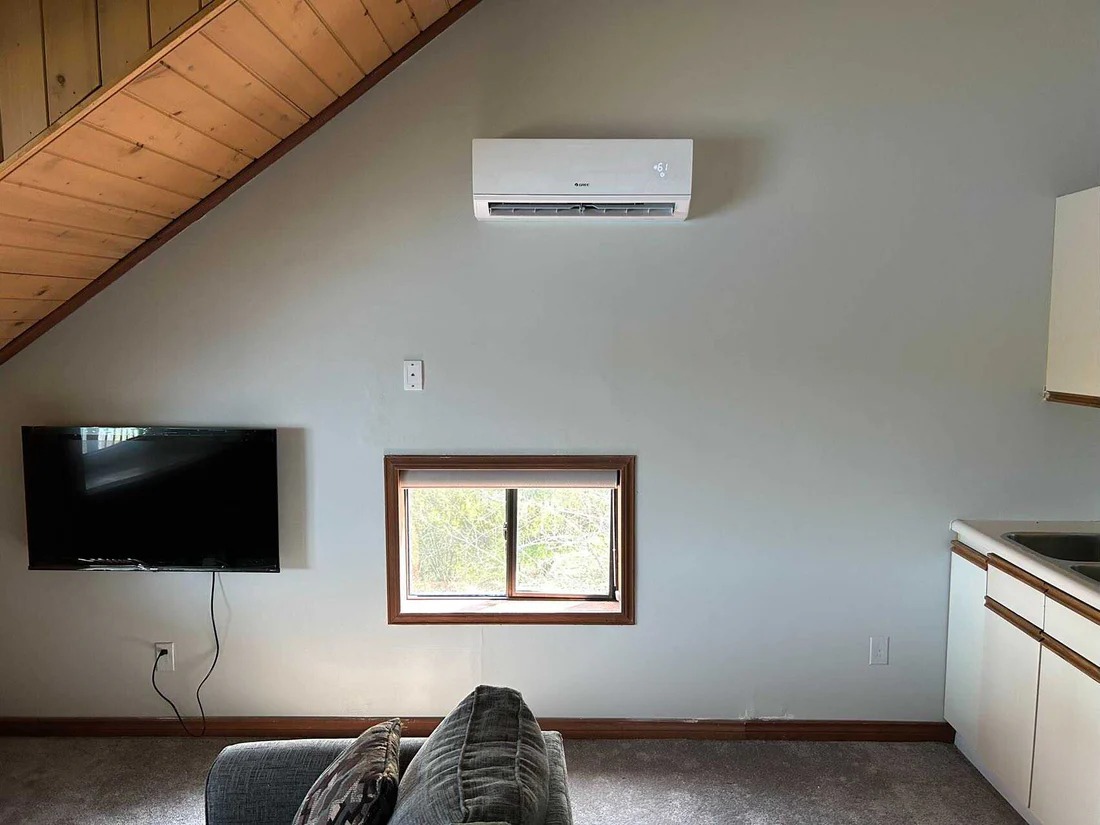
Positioning indoor units thoughtfully enhances airflow distribution within rooms while avoiding direct sunlight exposure which can increase workload during hot days. Using ceiling fans alongside your mini split creates better circulation so you feel cooler without lowering temperatures excessively.
Finally, consider upgrading older models if they lack modern inverter technology found in newer mini splits; these advanced systems adjust compressor speed dynamically for consistent comfort with lower power consumption compared to traditional fixed-speed units.
By combining these techniques-optimal thermostat settings, regular upkeep, smart controls, proper sealing, strategic placement, and potential upgrades-you can enjoy comfortable indoor environments while minimizing energy use with your mini split system effectively throughout every season.