
In the world of home improvement, discussions about siding options frequently emerge, and for good reason. Choosing the right siding can significantly affect a home’s aesthetic appeal, energy efficiency, and overall value. This topic often resurfaces as homeowners weigh the practical benefits against potential drawbacks. A key player in these discussions is vinyl siding, a popular choice for many due to its affordability and versatility. According to one website, vinyl siding is renowned for its cost-effectiveness and ease of maintenance, making it a frequent consideration for those looking to enhance their home’s exterior.
What is Vinyl Siding?
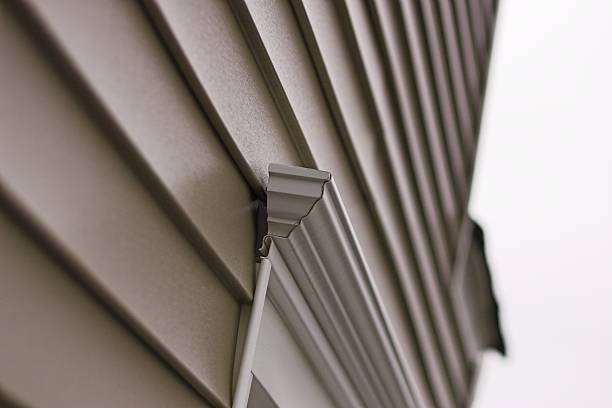
Vinyl siding is a type of exterior cladding made from polyvinyl chloride (PVC). It is designed to mimic the appearance of traditional wood siding while offering enhanced durability and minimal maintenance. Available in a plethora of colors and styles, including the increasingly popular board and batten, vinyl siding provides homeowners with a wide range of design options.
Vinyl Siding Pros and Cons
When evaluating the pros and cons of vinyl siding, it’s important to consider both the advantages and potential limitations. On the plus side, vinyl siding is known for its resilience against harsh weather conditions. It doesn’t rot or flake like wood, and it’s resistant to insect infestations. Another benefit of vinyl siding is that it typically requires less maintenance compared to other materials; a simple wash with soap and water is often sufficient to keep it looking fresh.
However, vinyl siding isn’t without its drawbacks. It can crack or become brittle in extreme cold and may warp under excessive heat. Additionally, while it is available in many colors, it can fade over time, especially in sunny climates. These factors are crucial when considering the long-term upkeep and aesthetic appeal of your home’s exterior.
Benefits of Vinyl Siding
The benefits of vinyl siding extend beyond its low maintenance requirements. It is also an economical option, often costing less than wood or fiber cement siding. Its ease of installation can translate to lower labor costs, making it a budget-friendly choice for homeowners. Furthermore, vinyl siding offers decent insulation properties, which can contribute to energy savings by reducing heating and cooling costs.
Pros and Cons of Board and Batten Siding
Vinyl siding is also available in the board and batten style, which has gained popularity for its rustic charm and vertical lines. The pros of board and batten siding include its unique aesthetic and the ability to complement a variety of architectural styles. However, like standard vinyl siding, it shares similar cons such as susceptibility to extreme weather conditions and potential color fading.
What to Keep in Mind Next
When considering vinyl siding for your home, it’s essential to weigh the pros and cons carefully. Assess your local climate, budget, and maintenance preferences to determine if vinyl siding is the right choice for you. Remember that while vinyl siding offers numerous benefits, understanding its limitations will help ensure a decision that aligns with your home’s needs and your personal expectations.