
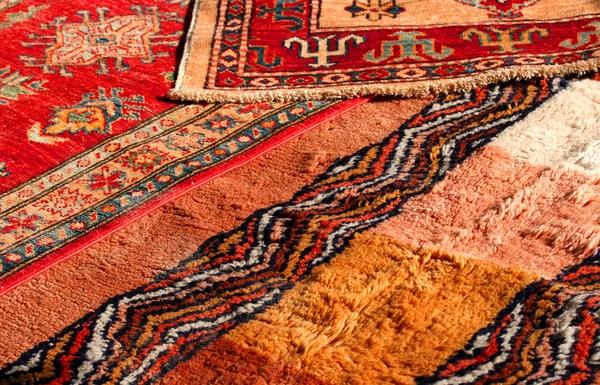
Restoring antique rugs requires a careful approach to preserve their historical significance and market value. These rugs often carry unique craftsmanship, intricate patterns, and natural dyes that contribute to their worth. Any restoration work should aim to maintain these original elements while addressing damage or wear. The first step is to thoroughly assess the rug’s condition by examining its fibers, foundation, and colors. Identifying areas of weakness or deterioration helps determine the extent of restoration needed without unnecessary intervention.
Cleaning is an essential part of restoration but must be done with gentle methods suitable for delicate textiles. Avoid harsh chemicals or aggressive washing techniques that can strip natural dyes or weaken fibers. Professional cleaning using mild detergents specifically designed for antique fabrics ensures dirt removal without compromising integrity. After cleaning, allow the rug repair phoenix to dry naturally in a well-ventilated area away from direct sunlight, which can cause fading.
Repairing structural damage such as holes, tears, or frayed edges calls for expert craftsmanship familiar with traditional weaving techniques used in antique rugs. Reweaving missing sections with materials matching the original yarns in color and texture preserves authenticity. It is important not to replace entire sections unnecessarily; instead, focus on stabilizing damaged areas while retaining as much of the original fabric as possible.
Color restoration should be approached cautiously because over-dyeing may reduce value by altering original hues. If color touch-ups are necessary due to fading or staining, use reversible dyes compatible with the rug’s existing palette so future restorers can remove them if needed. Consulting specialists who understand historic dye compositions ensures appropriate treatments that respect the rug’s provenance.
Proper backing and framing help protect restored rugs from further damage during display or use. Using acid-free materials prevents chemical reactions that could deteriorate fibers over time. When mounting for wall hanging or laying flat on floors, ensure even support distributes weight evenly across fragile areas.
Documentation plays a vital role in maintaining an antique rug’s value after restoration work has been completed. Keep detailed records including photographs before and after treatment along with descriptions of processes undertaken by professionals involved in conservation efforts.
Ultimately, restoring an antique rug without losing its value depends on balancing preservation with repair through informed decisions made by experienced conservators who prioritize respecting the piece’s history above cosmetic improvements alone. This thoughtful approach safeguards both beauty and investment potential inherent in these treasured artifacts for generations ahead.
Americas Rug Cleaning
3821 E Broadway Rd #9, Phoenix, AZ 85040
602-858-1800