

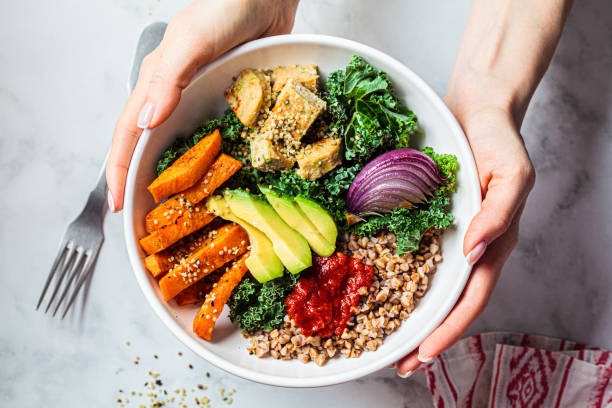
Incorporating more vegetables into daily meals can enhance nutrition, improve digestion, and add vibrant flavors to your diet. Finding practical ways to increase vegetable intake need not be complicated or time-consuming. One effective approach is to start meals with a vegetable-based appetizer or side, such as a simple salad or steamed greens. This sets a nutritious tone and helps ensure vegetables are part of every meal.
Another strategy involves blending vegetables into dishes where they might not be the main focus but still contribute nutrients and texture. For instance, adding finely chopped spinach or grated zucchini to pasta sauces, casseroles, or meatloaf can boost vegetable content without altering the overall taste dramatically. Soups and stews also offer excellent opportunities to incorporate a variety of vegetables like carrots, celery, and bell peppers, which cook down nicely and meld with other ingredients.
Breakfast offers numerous chances to add vegetables as well. Including sautéed mushrooms, tomatoes, or spinach in omelets or breakfast burritos introduces fiber and vitamins early in the day. Even smoothies can benefit from a handful of kale or cucumber blended with fruits for a nutrient-rich start. The key is to experiment with different combinations until you find ones that suit your palate.
When preparing snacks, consider raw vegetables paired with healthy dips such as hummus or yogurt-based dressings. Crunchy carrot sticks, cucumber slices, and bell pepper strips make satisfying snacks that contribute to daily vegetable goals. Additionally, roasting vegetables like cauliflower, Brussels sprouts, or sweet potatoes with simple seasonings can create flavorful sides that appeal even to those less enthusiastic about greens.
Meal prepping in advance can simplify the process of adding more vegetables throughout the week. Washing, chopping, and storing mixed veggies in containers allows quick access for stir-fries, salads, or wraps. This reduces reliance on processed foods and encourages healthier choices by making vegetables readily available during busy days.
In some cases, nutritional supplements might complement dietary efforts for specific health goals. For example, athletes focused on recovery might explore options discussed in resources like https://learnmuscles.com/blog/2026/08/21/wolverine-stack-bpc-157-tb-500-for-injury-recovery-and-muscle-preservation/, which highlight strategies for muscle preservation alongside balanced nutrition.
Ultimately, integrating more vegetables into daily meals requires creativity and consistency rather than drastic changes. By gradually incorporating these practical methods-starting meals with veggies, blending them into favorite dishes, enhancing breakfasts and snacks, roasting for flavor, and preparing ahead-vegetable consumption becomes a natural part of eating habits without sacrificing enjoyment or convenience.