

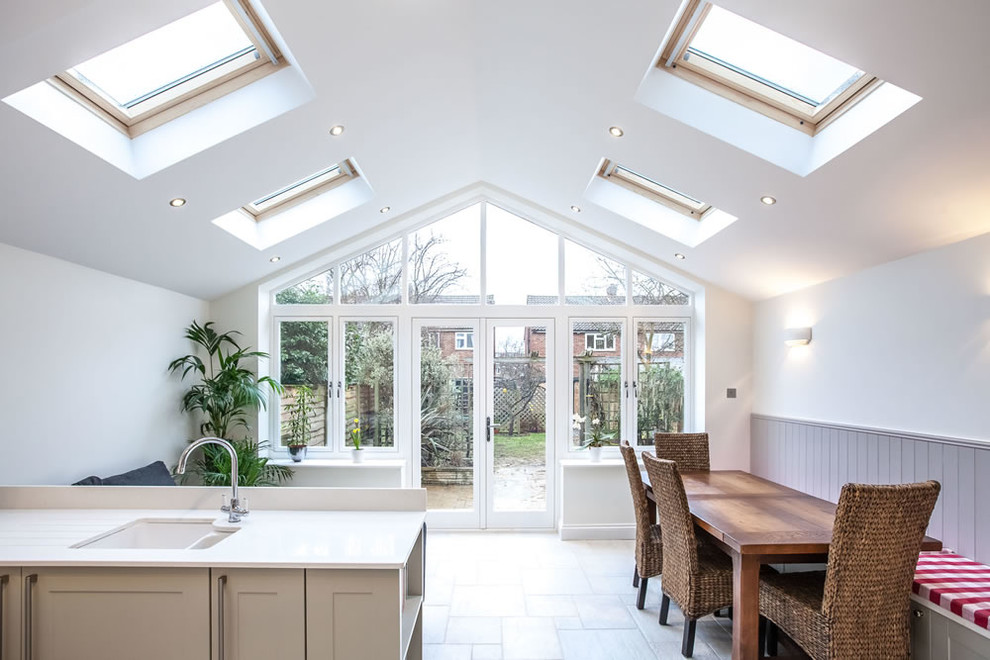
When considering home improvement projects, extending the living space is a popular choice for many homeowners. Among the various extension styles available, pitched roof extensions are often compared to other types such as flat roof extensions, dormer extensions, and orangery-style additions. Each option offers distinct advantages and challenges that can influence the final decision based on aesthetic preferences, budget constraints, structural considerations, and long-term functionality.
A pitched roof extension features a sloping roof design that complements traditional architectural styles. This type of extension is particularly favored in areas where maintaining the character of older homes or neighborhoods is important. The sloped design allows for efficient water drainage and can provide additional headroom inside the new space due to its vaulted ceilings or loft conversions. Pitched roofs also offer better insulation opportunities since there is more room to incorporate thicker layers of insulating material between rafters. However, constructing a pitched roof extension tends to be more complex and costly compared to simpler designs like flat roofs because it involves more materials and skilled labor.
In contrast, flat roof extensions have gained popularity due to their modern aesthetic and relatively straightforward construction process. Flat roofs allow for easier installation of skylights or green roofing systems but may require more maintenance over time because they do not shed water as effectively as pitched roofs. Flat roofs are generally less expensive upfront but might incur higher costs later due to potential leaks or drainage issues if not properly maintained.
Dormer extensions are another style commonly used when expanding attic spaces or creating additional bedrooms under existing pitched roofs. They involve adding vertical windows projecting from a sloping roofline which increases usable floor area while preserving external appearance continuity with the original structure. Dormers are ideal for maximizing space without altering much of the building’s footprint but can be limited in size depending on local planning regulations.
Orangery-style extensions combine elements of traditional conservatories with solid brickwork bases topped by large glass panels framed by timber or aluminum structures. While these create bright airy interiors perfect for dining rooms or lounges, they typically require significant investment both financially and in terms of ongoing maintenance.
Ultimately, choosing between a pitched roof extension styles depends on several factors including budget flexibility, desired interior volume and lighting conditions, neighborhood aesthetics compliance rules, energy efficiency goals, and personal taste regarding architectural harmony with existing structures. Homeowners should consult experienced architects or builders who understand local building codes and climate considerations before making decisions that will affect both property value and daily living comfort over many years ahead.